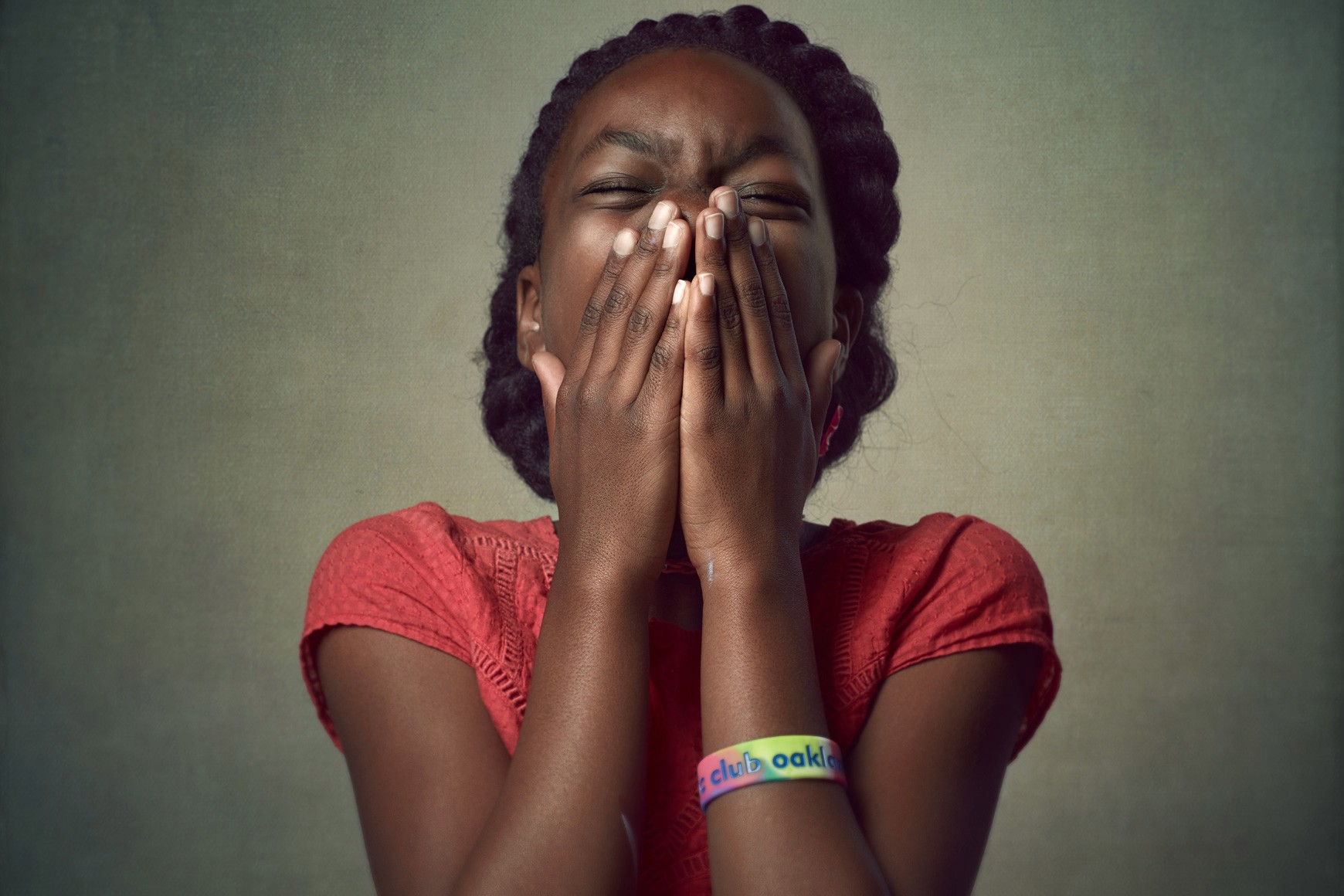
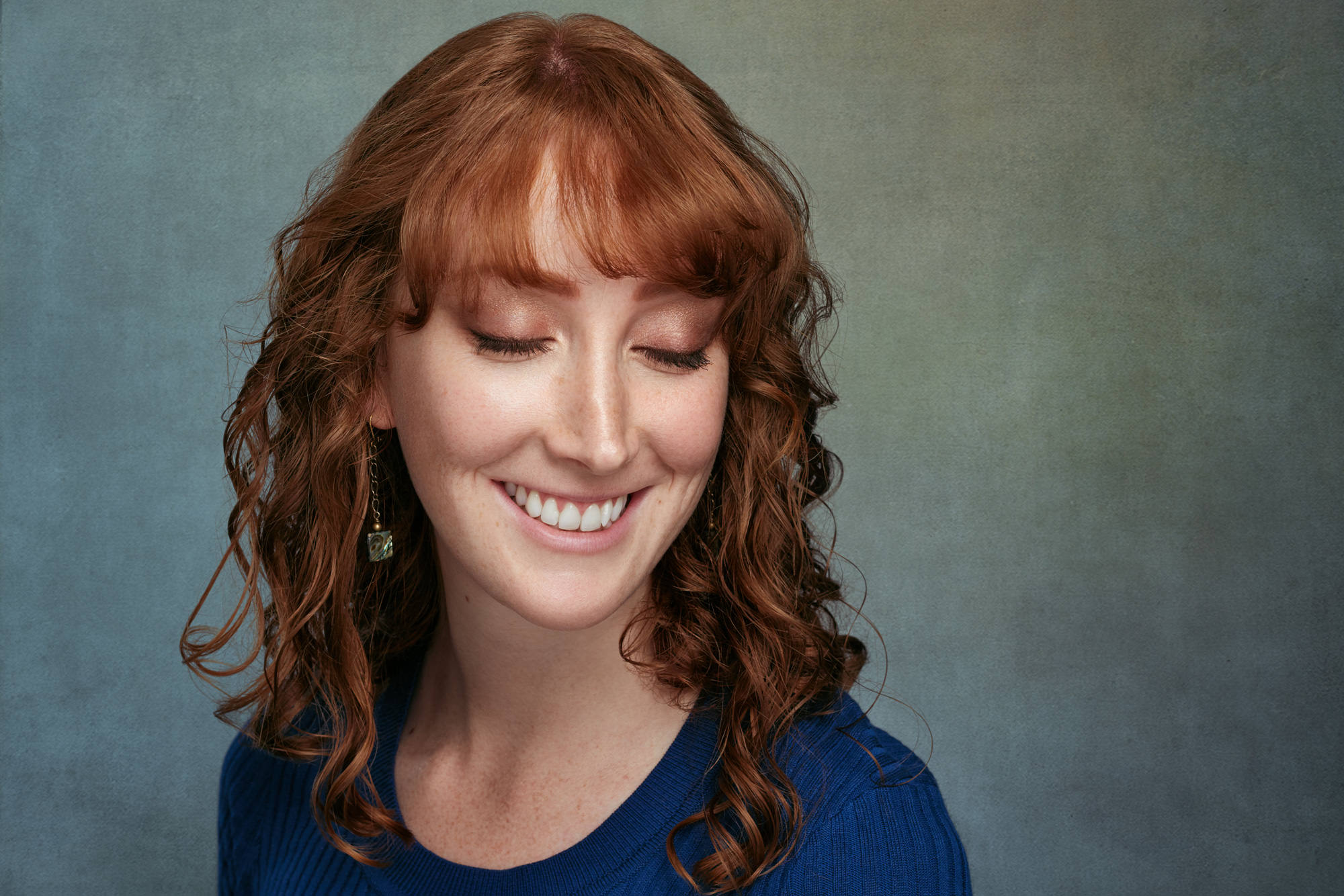
You're part of an upcoming brand photoshoot (woo!). This post covers everything you need to know to show up prepared and look your best.
What You'll Be Photographed For
Depending on your role and the shoot plan, you may be needed for:
Individual portrait
Office/workspace scenes
Team culture shots
Service action shots (if applicable)
Your organizer will let you know which sessions you're needed for and when to arrive.
What to Wear
Start With Your Audience
Who are you signaling to and whose attention are you trying to get? Clients who need your service? VCs who write checks? Small business owners looking for solutions?
The answer should guide what you wear. If your company is pitching investors, dress like someone they'd write a check to. If you're serving wellness practitioners in a small community, dress like someone they'd trust.
You get to decide—but whatever the case, bring clothing options that signal to the right room.
Come dressed in your favorite option and bring 1-2 backup tops
1-2 additional tops in different colors or styles
At least 1 structured layer (blazer, cardigan, jacket, etc.)
Accessories you actually wear (glasses, jewelry, scarves, etc)
Your Brand Color Palette
Talk with your team about what colors everyone's planning to wear. Try to stay in a similar range so the group looks cohesive. Don't stress if you can't find a perfect color match as I can adjust that in photoshop as long as its close.
When in doubt, neutrals are safe—but don't be afraid to bring something with personality.
Avoid
Bright white (off-white or cream is fine)
Busy patterns or large logos
Overly bright/neon colors
The Ratio Principle
A bold color works beautifully as an accent—think a burgundy shirt under a charcoal blazer, or a pop of forest green beneath a neutral cardigan. The layer controls how much of that color shows up in the frame.
That same bold shirt on its own, without a layer? It can overwhelm the image and pull focus from your face.
If you're bringing something bright or saturated, also bring a neutral layer to wear over it. That gives us options: we can shoot it both ways and see what works best.
What's Actually in Frame
For individual portraits: Chest up (your pants don't matter—sweats are fine)
For full-body lifestyle shots: Everything counts
Fit
Clothes should fit well, but they don't need to be perfect. If something fits almost right, bring it anyway—we can pin or adjust on set if needed.
What to Bring
☐ 1-2 additional tops in different colors or styles
☐ At least 1 structured layer
☐ Accessories you actually wear
☐ Lip balm
☐ Backup makeup and lip colors for quick adjustments (if needed)
☐ Any props relevant to your role (if applicable)
Grooming & Appearance
Hair should be styled the way you'd wear it to your most important meeting of the year.
If you wear makeup, keep it natural. The goal is to look like the best version of yourself on, not like you're trying to be someone else. A little goes a long way on camera and if needed you can always add or do touchups along the way.
Men: If you normally shave, shave that morning. If you have a beard, make sure it's trimmed and shaped.
Everyone: Check your nails. Seriously. Hands show up in more shots than you think.
You don't need a professional hair and makeup team. You just need to show up like you care. That effort reads on camera and it makes all the difference.
Hair & Makeup: A Few More Details
For Women:
If you wear makeup, it's ok to go sliiiiightly heavier than your everyday look—but not by much. Camera lights can occasionally wash you out, so a bit more definition on eyes and cheeks can help. Think "polished meeting" not "night out."
Avoid overly shiny or reflective products. Dewy foundation, highlighter, and gloss can create hot spots under studio lights. Stick with matte or satin finishes on your skin if possible. If you normally wear highlighter, skip it or go very light.
Bring backup lip color. What looks great in your bathroom mirror might disappear on camera. Bring a slightly deeper or more saturated shade so we can adjust if needed. We'll check together and add more if you need it.
I will have skin blotting paper. Studio lights make everyone a bit shinier than usual. We'll take breaks to blot and refresh as needed. If you have powder you like to use, bring it!
Avoid brand-new hair color or cuts. If you're planning to change your hair, do it at least a week before the shoot so it has time to settle. Fresh color can photograph differently than expected, and new cuts need a few days to behave.
The Day Before
☐ Hydrate well
☐ Get decent sleep
☐ Iron or steam your outfit options
What to Expect on Shoot Day
When You Arrive
Come dressed in your favorite outfit and put your backup options and layers aside. We will look at your options if needed and we'll decide what works best in real time.
During Your Sessions
I'll engage and direct you in front of the camera at all times so you will never wonder what you're supposed to be doing.
The best images happen when people feel loose and comfortable. I'll manage the vibe. Your job is to show up, trust the process, and stay flexible.
Have a Good Meal and Bring Snacks
Photoshoots can take a while, and nothing kills the vibe faster than crashing energy. Eat a real meal before you arrive—not just coffee. And throw a snack in your bag just in case. Low blood sugar shows up on camera: tired eyes, low energy, forced smiles. Keep yourself fueled and you'll feel (and look) so much better.
You're not expected to be a model.
You just need to show up as yourself—I'll handle the rest.
The more you lean into the process, the better the images will turn out.
This isn't a test. There's no "wrong" way to do this. I will guide you and promise to make you look amazing.
I know this feels high pressure.
But it's really not. You're going to be in good hands so remember to have fun with the process. I gotchu!
FAQ for Team Members
What if I hate being photographed?
You're not alone—most people feel this way. I've spent twenty years working with people who aren't professional models. Executives, founders, authors and teams just like yours. I know how to make this easy and natural. You don't need to perform or be someone you're not. Just show up as yourself, and I'll handle the rest.
Do I need professional hair or makeup?
Not at all. Just show up polished the way you would for an important client meeting. That's more than enough.
How long will my part of the shoot take?
Individual portraits typically take about 15 minutes. Lifestyle and team culture shots depend on the scene, but your team lead will give you an estimated time window so you can plan your day.
What if I'm running late?
Let your team lead know as soon as possible. The schedule can usually be adjusted if needed. Life happens—just communicate early.
What if I feel awkward or don't know what to do with my hands?
That's exactly what I'm there for. I'll direct you through everything—where to stand, how to position yourself, what to do with your hands. You won't be left guessing. If something feels weird, we'll try something else until it feels natural.
Why This Matters
These images will represent your company on your website, in press, and in marketing materials. But here's what that really means:
When someone is deciding whether to work with your company, they're not just evaluating your product or service. They're asking: "Do I trust these people? Do I want to be in a room with them? Can I see myself here?"
The humans behind the brand answer that question.
Your face—relaxed, confident, present—tells a potential client or customer that real people built this thing. That someone cares. That there's integrity and intention behind the work.
In a world where AI can generate perfect images instantly, the imperfect reality of a real human becomes the most valuable signal you can send. It says: we're here, we're real, and we're worth trusting.
Show up as your best self. Trust me to make you look great. Stay flexible. The best brand photography happens when the team feels loose, confident, and are having fun with the process.
Questions?
If you have questions before the shoot, reach out to me or the person coordinating logistics.
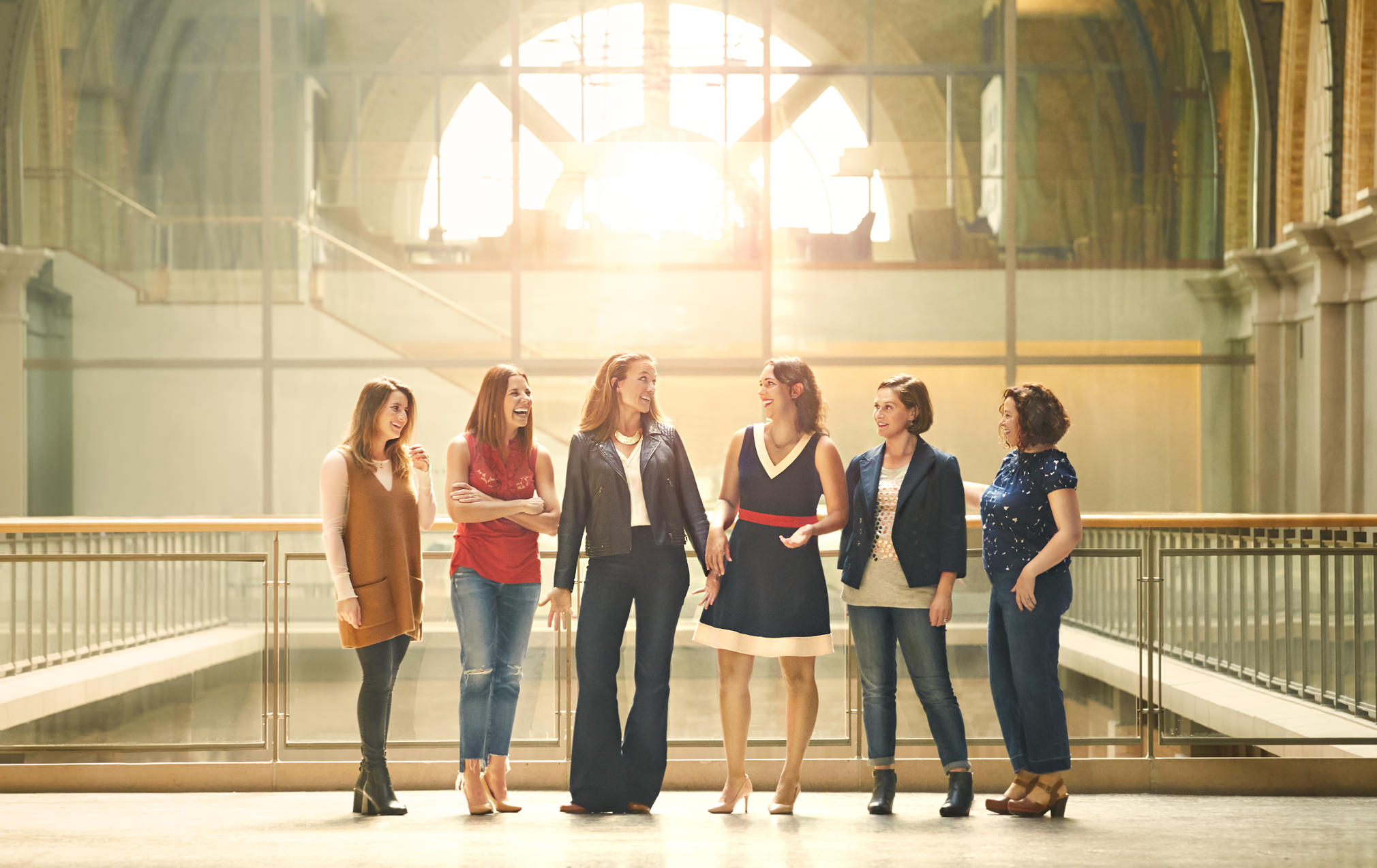
Author
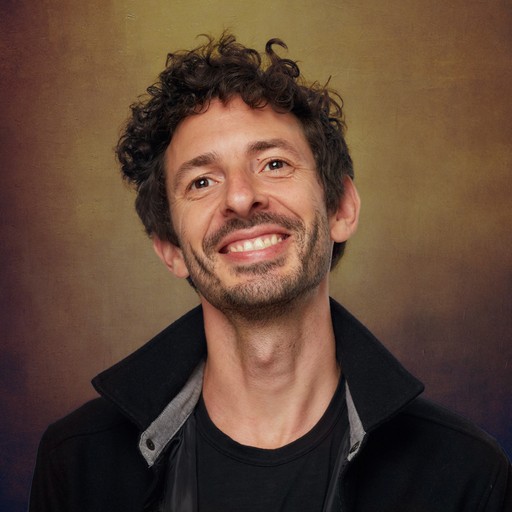
Brian DeSimone
Executive & editorial portrait photographer for the San Francisco Bay Area. Helping founders and creative directors move beyond 'safe' headshots to create high-value, human resonant portraits that actually get remembered.